
About the Workshop
As foundation models scale, available training data sources have rapidly depleted. However, several forms of valuable data artifacts such as medical records, legal, and financial documents are restricted from use in model training due to their sensitive nature. In addition, the strong reasoning capabilities in current generative models have opened the possibility for highly personalizable AI applications but these remain bottlenecked by limited access to high quality user data. Hence, it is of immense value to responsibly unlock these data sources (for example: using data transformation or constrained training paradigms) or to generate synthetic alternatives. In this workshop, we aim to bring together domain experts in data, privacy, model training, and legal policy, to advance the frontier of responsibly leveraging such sensitive data with foundation models.
Topics of interest include (but are not limited to):
- Data Transformation: De-identification, Anonymization, Pseudonymization.
- Synthetic Data Generation: Controlled Regeneration, Data Diversity.
- Novel Training Paradigms: DP, Federated Learning, Architectural Solutions.
- Evaluation & Auditing: Privacy attack benchmarks, Utility-Privacy tradeoffs.
- Policy: Compliance, New regulations on data sharing.
Call for Papers
We invite long papers with novel research contributions (up to 8 pages long) as well as short papers (up to 4 pages) reflecting preliminary studies or negative results.
Submissions are managed via OpenReview. Accepted papers are non-archival, and concurrent submissions are allowed. Please follow the COLM 2026 template.
Key Dates
All deadlines are 23:59 AoE (anywhere on earth)
Submissions open: May 27, 2026Submission deadline:June 23, 2026June 28, 2026 AoEAcceptance Notifications: July 24, 2026- Workshops day at COLM: October 9, 2026
Workshop Schedule
Accepted Papers
- InfoSynth: Information-Guided Benchmark Synthesis for LLMs
- SWE-chat: Coding Agent Interactions From Real Users in the Wild
- Inference-Efficient Zero-Shot Differentially Private Text Synthesis
- ContinuousBench: Can Differentially Private Synthetic Text Improve Capabilities?
- Natively Unlearnable Large Language Models
- Speech Generation Speaker Poisoning: Capability Erasure in Zero-Shot Text-to-Speech
- Beyond FineWeb2-HQ through Synthetic Refinement
- Be Kind, Rewrite: Benign Projections via Rewriting Defend Against LLM Data Poisoning Attacks
- Can we enable speech data with Differential Privacy?
- Librarian Agents: Anticipatory Filesystem Construction via Reinforcement Learning
- Exact Unlearning via Quantized Sufficient Statistics
- Prune, Then Select: Select High-Quality, Important, and Diverse Data Using Training Trajectories
- Sort, Partition, Randomize: Optimal Binary Hypothesis Testing under Local Differential Privacy
- Calibrated Candidate Pools for Synthetic EHR Release: Coverage, Concentration, and Privacy Risk
- UDET: A Dataset for Detecting Contamination on Competition Math via Underdetermined Problems
- Pseudonymized but Linkable: Cross-Document Re-identification Risks in LLM-Ready Sensitive Text Corpora
- Forger: An Environment for Agentic Data Generation
Speakers
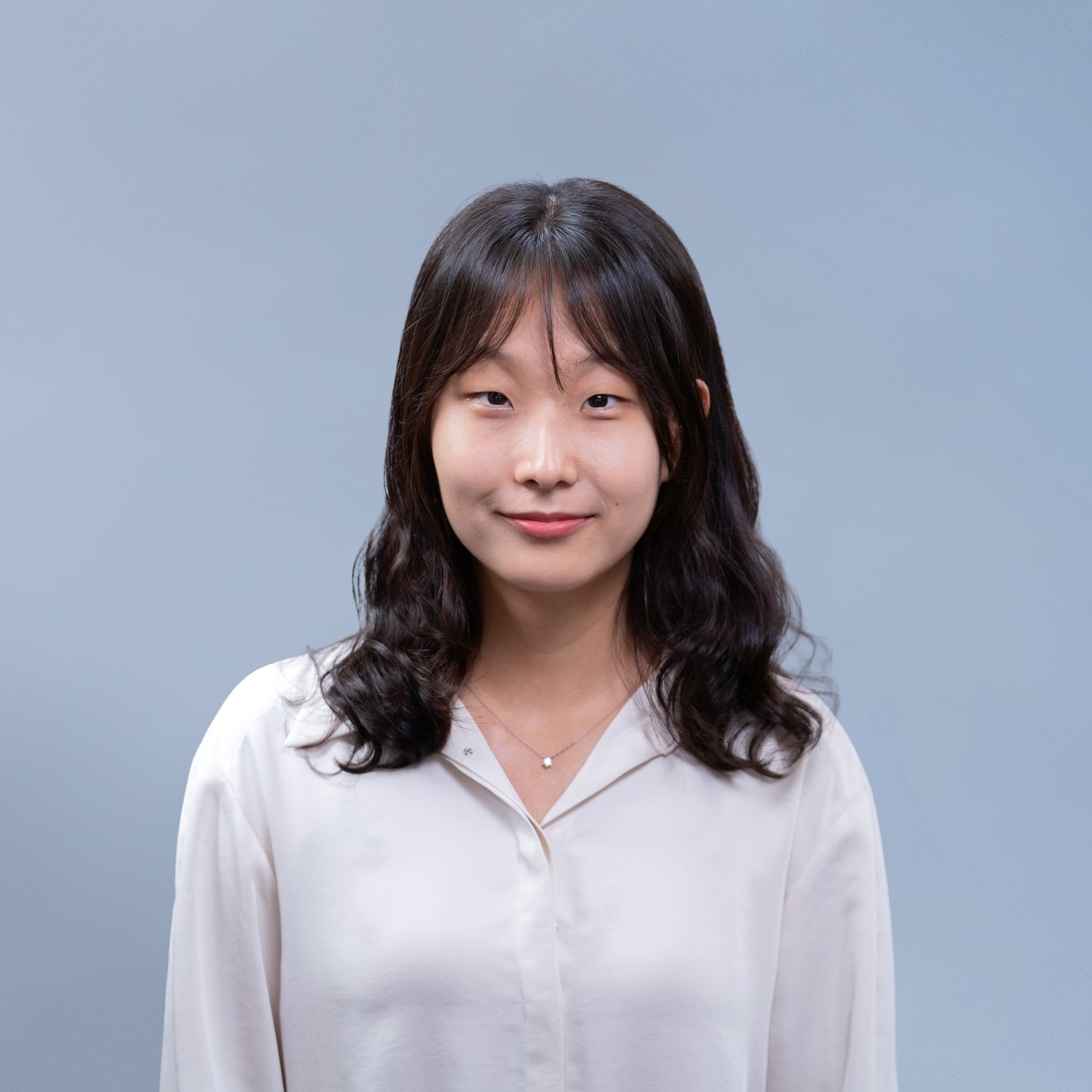
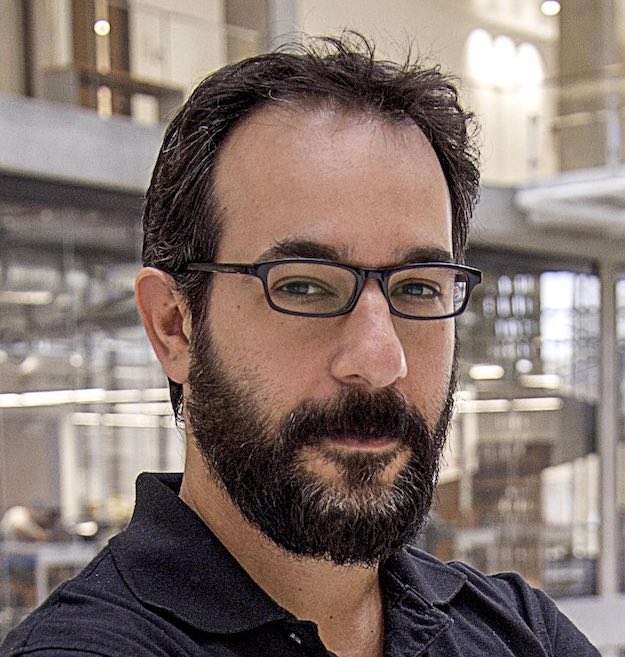
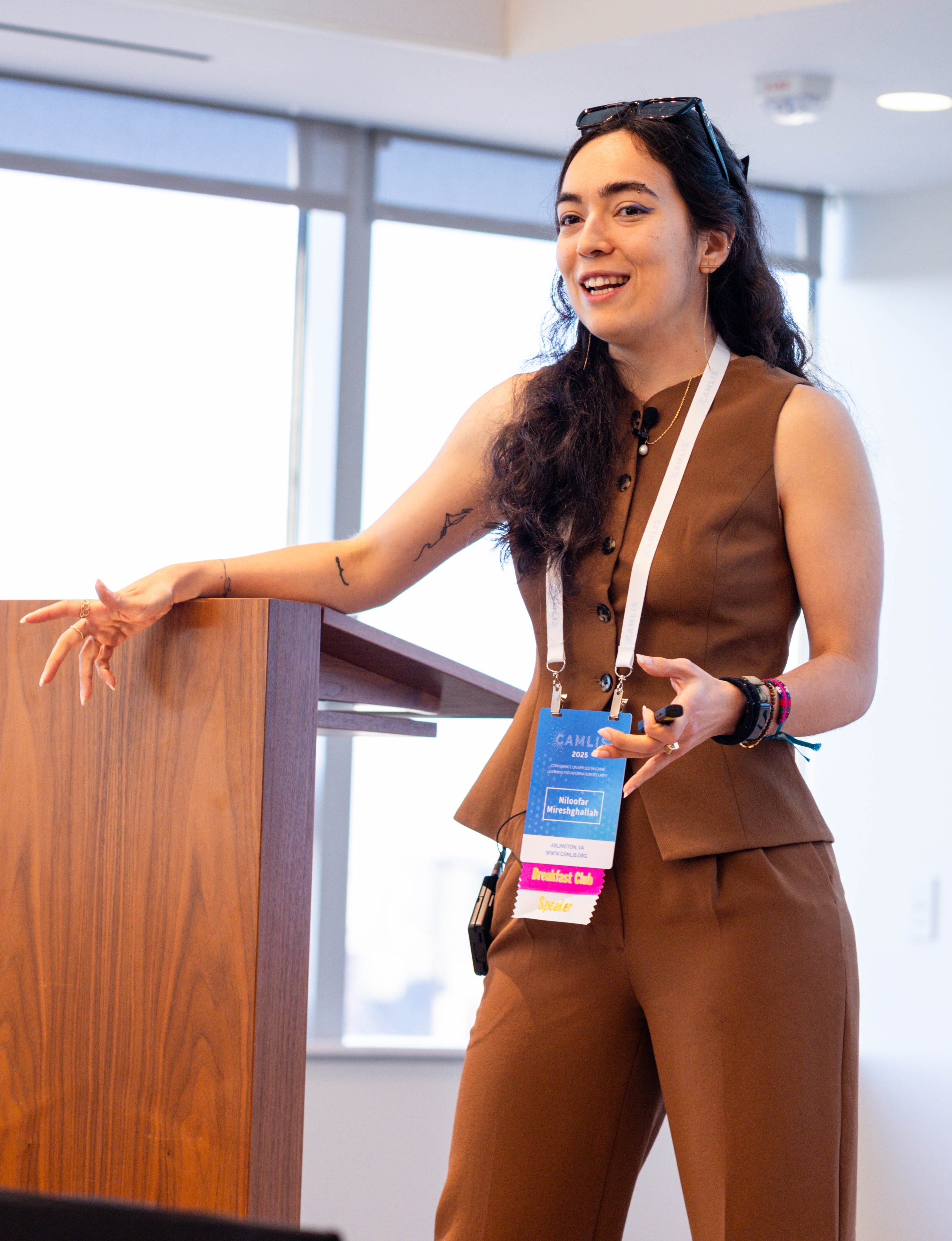
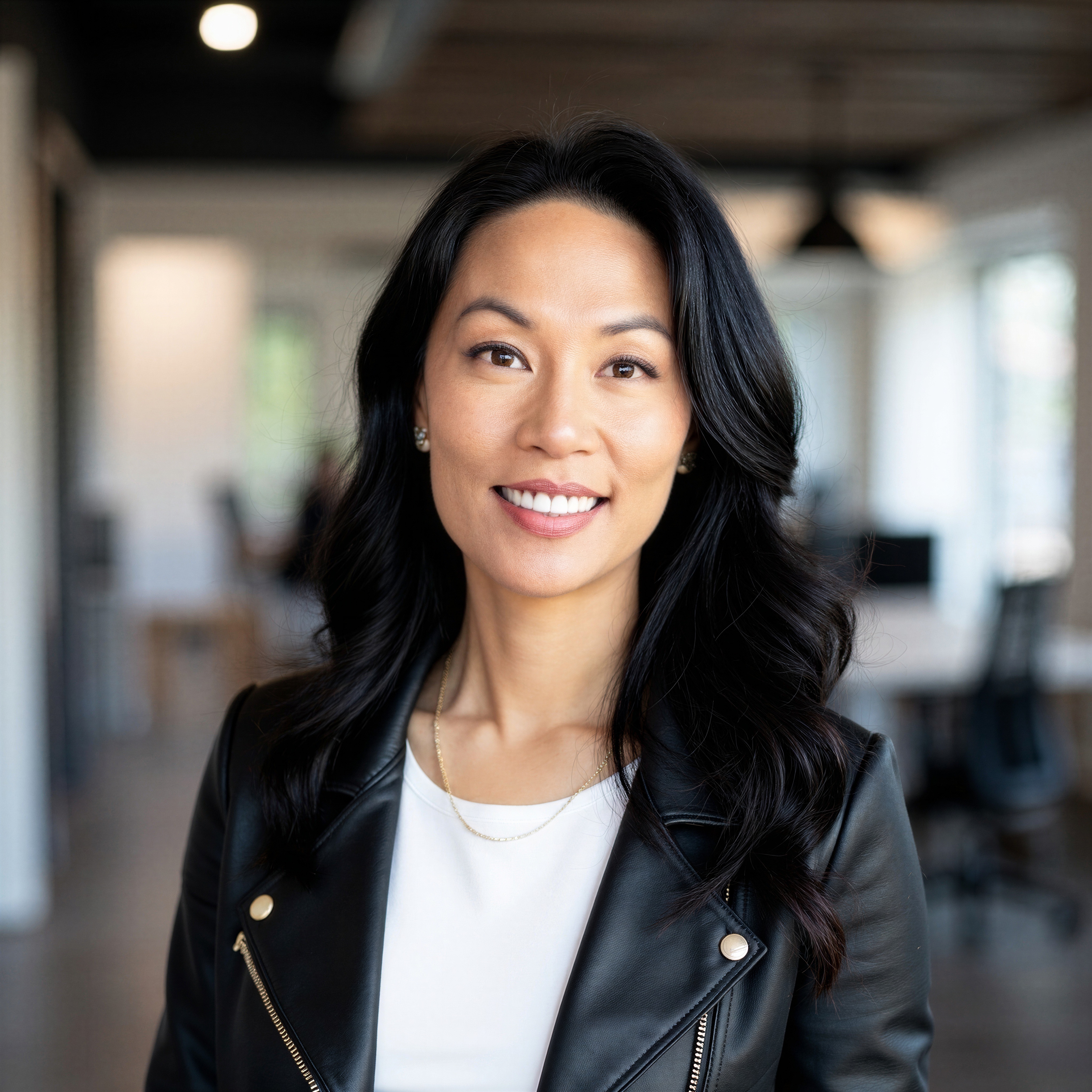
Janel Thamkul
Deputy General Counsel, ex-Anthropic, ex-Google
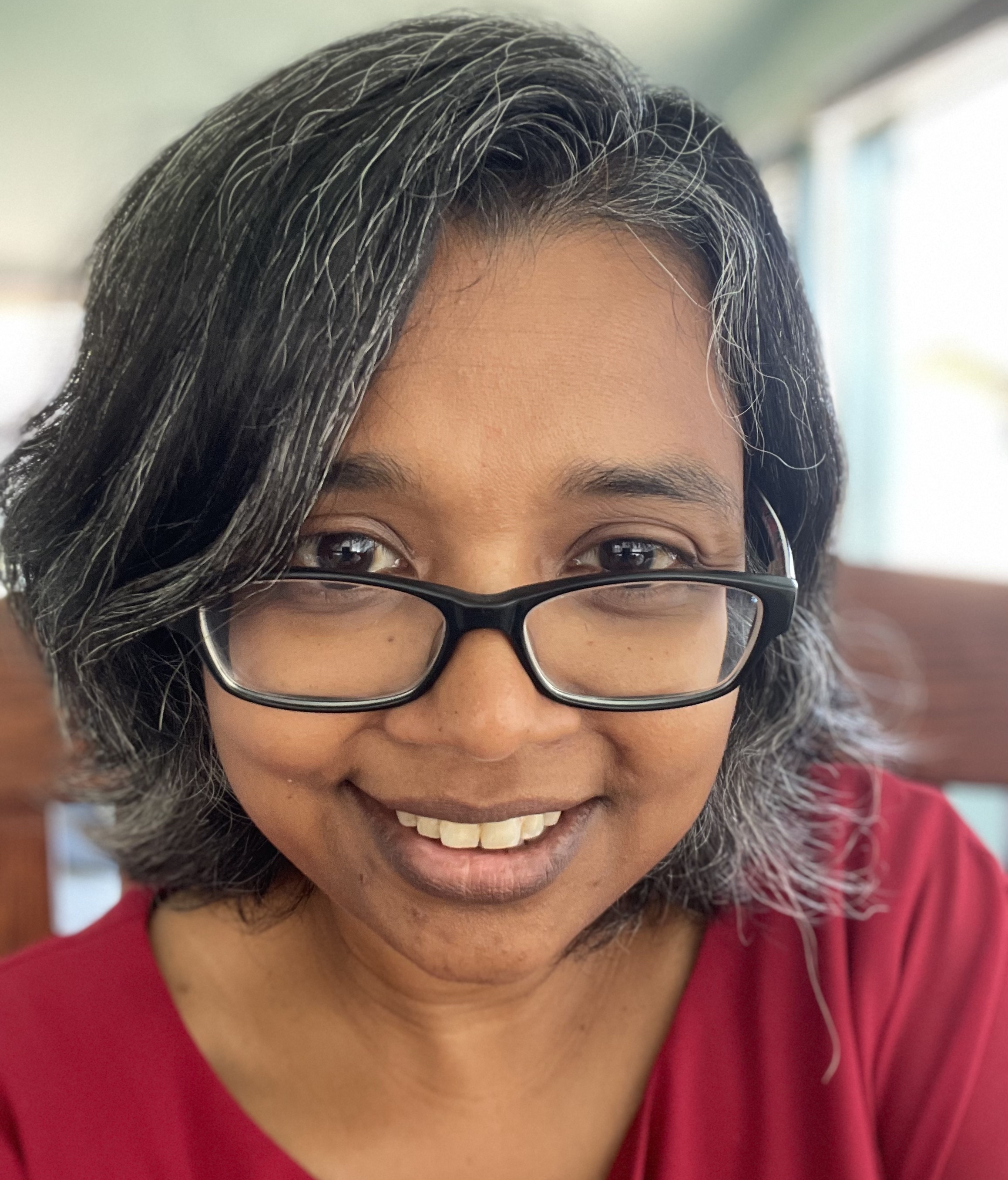
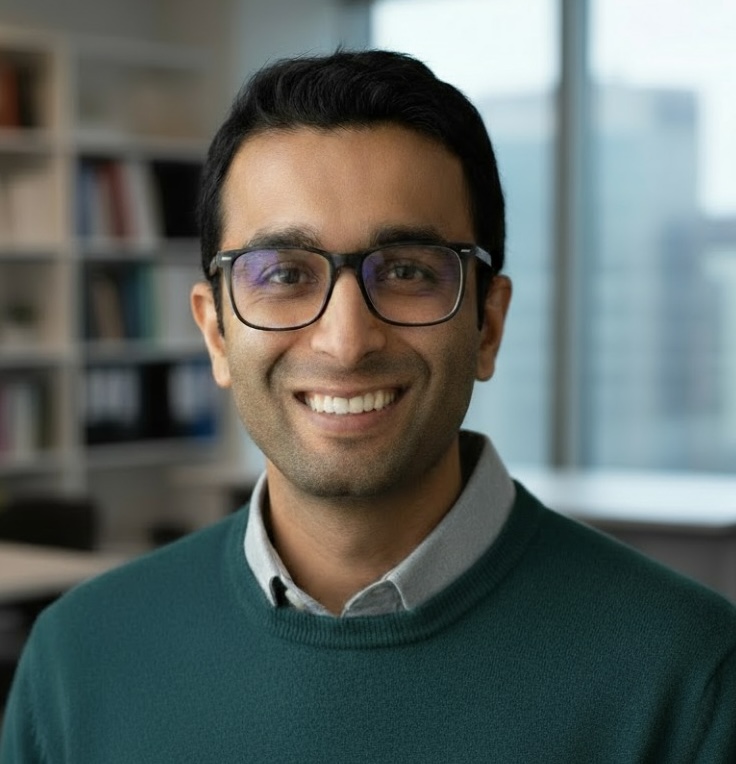
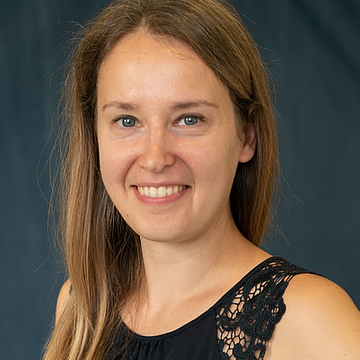
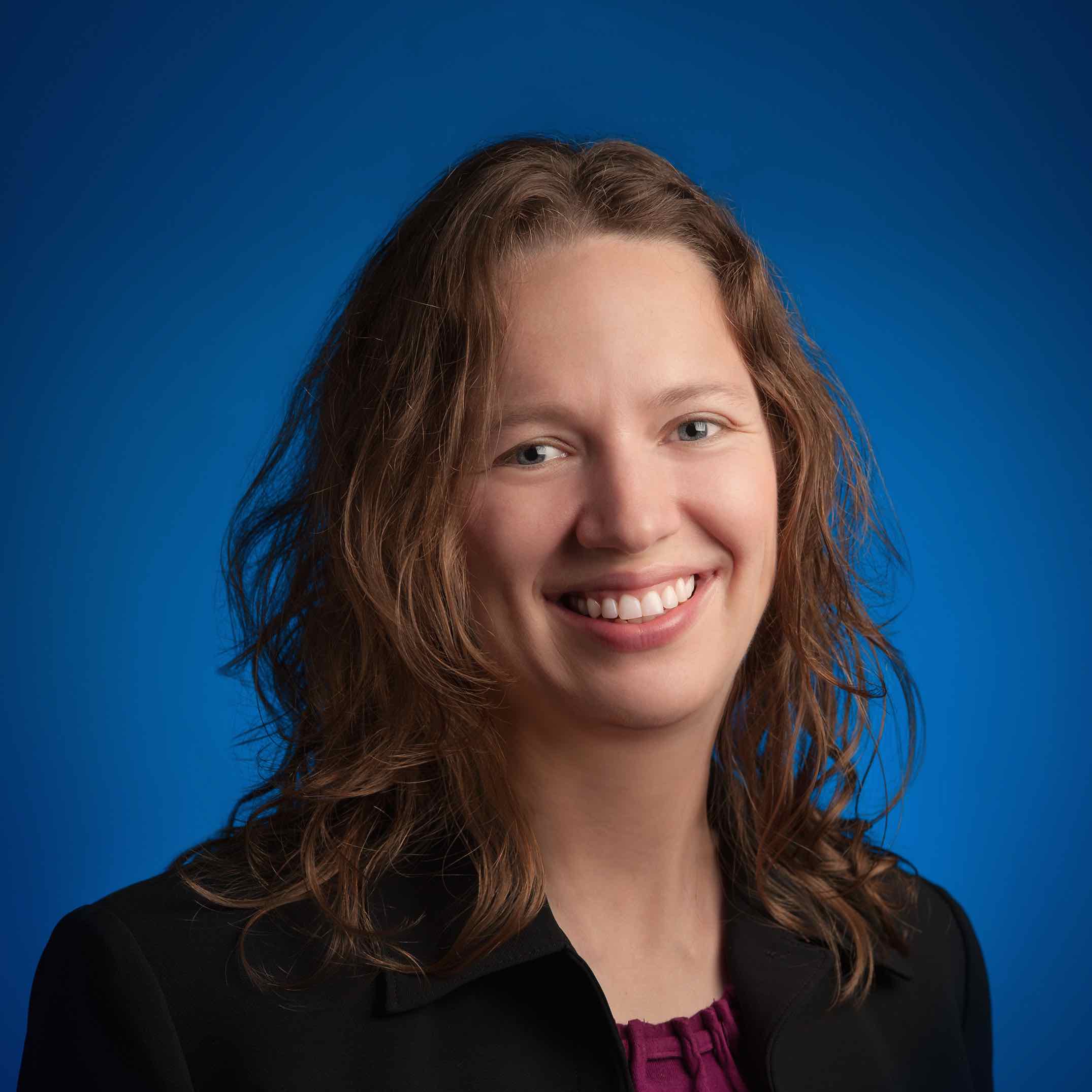
Committee

Program Committee
We thank following members of the workshop program committee:
- Xuefei Wang
- Sarthak Tayal
- Ami Tavory
- Vinay Rao Dandin
- William Fang
- Chloe Eggleston
- Shripad Gade
- Sriram Selvam
- Gaurav Rohit Ghosal
- Shashi Bhushan Tyamagondlu Nagabhushan
- Thanathai Lertpetchpun
- Elena Ghazi
- Alex Bie
- Manu Agrawal
- Dipesh Tharu Mahato
- Jingxu Xie
- Tal Sarig
- Bettina Messmer
- Rob Sneiderman
- Ishir Garg
- Atul Dev
- Anneswa Ghosh
- Efthymios Tsaprazlis
- Ravi Tandon
- Matthieu Meeus
- Md Nasir
- Erchi Wang
- Haofei Yu
- Shengyuan Hu
- Xinyi Xu
- Reza Samavi
- John Timothy Halloran
- Pranay Goel
- Niclas Pokel
- Yajiao Liu
Contact
For questions or inquiries, please reach out to us at: redatacolm2026@gmail.com.